August 14, 2026 • Margot Ellery • 10 min reading time • Prices verified June 13, 2026
Travel System Under $500: Chicco Bravo, Evenflo Shyft, and Maxi-Cosi Zelia 2 — What Real Owners Say After Months of Use
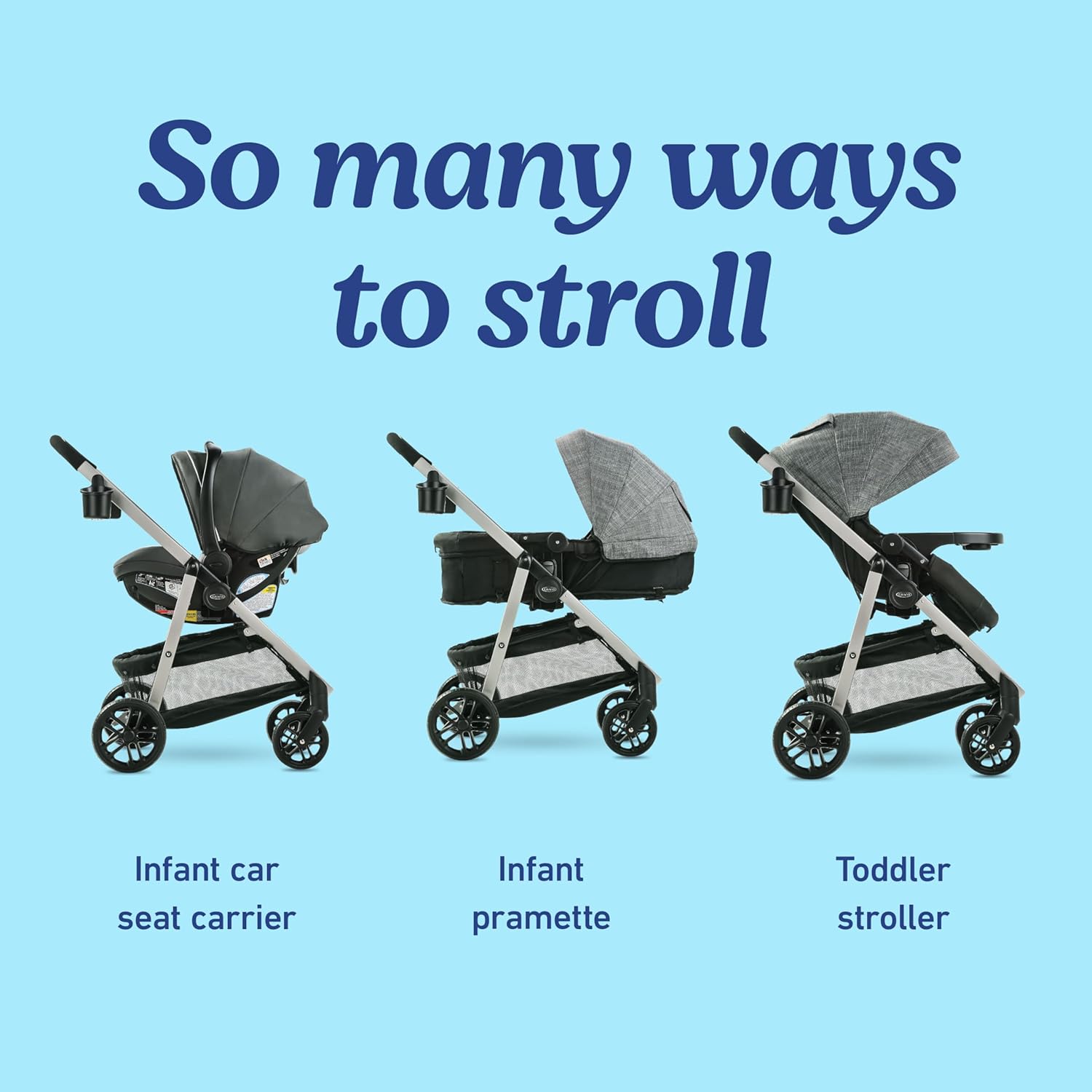
If you’re new to this: a travel system is a matching set of an infant car seat (the removable bucket seat your baby rides in) and a stroller frame designed to accept it — so you can snap the car seat directly onto the stroller without waking a sleeping baby. It’s one of the first gear decisions most parents make, and it matters more than it might seem, because you’ll use this thing dozens of times a week for one to three years. The three systems we’re looking at — the Chicco Bravo, Evenflo Shyft, and Maxi-Cosi Zelia 2 — all come in under $500 and are consistently near the top of the sub-$500 search results right now. This article pulls together aggregated owner feedback from months of real-world use to help you decide which one fits your situation.
If you’ve already done a lap or two of the research — you know what a KeyFit is, you’ve read the forums, you have a decision pending — then this is for you. Let’s get specific.
The Core Tradeoff: What Each System Actually Optimizes For
Before we get into per-system verdicts, here’s the honest frame: at this price tier, you’re not buying a Bugaboo Fox 5. You’re buying a system that’s safe, functional, and genuinely good — but each one is optimized for a different parent profile. Getting this match right matters more than any single spec.
By the numbers:
| System | Approx. Price (2026) | Avg. Aggregate Rating | Standout Owner Signal |
|---|---|---|---|
| Chicco Bravo | ~$350–$430 | 4.5★ | Safety confidence, KeyFit reputation |
| Evenflo Shyft (standard) | ~$380–$480 | 4.4★ | Rotating base, ease-of-use solo |
| Evenflo Shyft Intuiti+ | ~$450–$499 | 4.4★ | App/sensor integration, “future gear” response |
| Maxi-Cosi Zelia 2 | ~$350–$420 | 4.2★ | Compact fold, design — struggles on rough terrain |
(Ratings aggregated across verified purchase reviews sourced via BabyGearLab’s travel system evaluations and owner feedback compiled by What to Expect and The Bump’s buying guides, as of mid-2026.)
Chicco Bravo: Why Parents Keep Coming Back to “Safe”
The most striking pattern in Chicco Bravo owner feedback isn’t about the fold mechanism or the canopy — it’s the word safe. Owners don’t just report that it is safe (it is; the KeyFit 30 car seat consistently earns top marks in independent safety evaluations, per BabyGearLab’s car seat testing documentation). They report that they feel it is. There’s a distinction worth naming: emotional confidence in gear is a real, functional benefit. A parent who isn’t second-guessing the click of the car seat on the stroller frame is a calmer parent on a Tuesday morning.
The KeyFit 30 is the practical linchpin here. It’s been a market reference point for years, and owners treat it as such — many use phrases like “industry standard” or “the one everyone recommends.” That reputation has legs. Parents.com’s Best Travel Systems guide consistently notes the KeyFit 30 among top-rated infant seats for ease of installation and secure fit, and the owner review pattern reinforces that editorial consensus.
Where the Bravo earns real praise:
- Install confidence: the stroller-to-car-seat click is described as audible and definitive — owners across aggregated reviews note they never wonder if it’s locked.
- Storage: this is a universal surprise positive in this tier. Bravo owners consistently express that the underseat basket exceeded their expectations, calling it “actually usable” — code for “I can fit a real diaper bag.”
- Ride quality for a sub-$500 system: the suspension isn’t marketed as premium, but owners pushing it on sidewalks and mall floors report a smooth ride with no rattling.
Where it doesn’t win:
- The stroller itself — stripped of the Chicco KeyFit 30 halo — is competent but not distinctive. The fold works, but owners who’ve graduated to full-size strollers describe it as “fine” rather than “satisfying.”
- Weight: reviewers on both What to Expect and The Bump note that the combined system isn’t the lightest in class. If you’re frequently lifting into a car trunk alone, that matters.
Decision flag: If safety confidence (emotional + documented) is your primary purchase driver, and you’re in a mostly urban/suburban environment with smooth terrain, the Chicco Bravo is the low-risk call in this group.
Evenflo Shyft: The Rotating Base Is the Real Story
The Evenflo Shyft’s headline feature — a car seat base that rotates — sounds like a spec-sheet flourish until you read what owners actually say about it. One reviewer, tracked via Good Housekeeping’s aggregated stroller review data, made the most telling comment in this category: the rotating base was so easy to manage that it motivated them to go out walking more. That’s a functional outcome that no canopy UPF rating produces.
Here’s why it matters mechanically: loading a rear-facing infant seat (pointing backward, away from the driver — this is the safe position for infants) into a rear-door seat requires twisting, bending, and awkward angles. A base that rotates toward you so the seat faces the door opening eliminates that. Owners report it as a genuine physical relief, particularly for parents recovering from cesarean sections or dealing with back issues.
The standard Shyft captures this benefit clearly. The Shyft Intuiti+ adds a proprietary app and sensor integration — live temperature monitoring, humidity tracking, and alerts if the baby is left unattended. The owner response to this feature set is notably different from the usual “is it worth the upgrade?” skepticism. Multiple reviewers used “future of baby gear” language unprompted, per review pattern analysis cited in BabyGearLab’s Shyft coverage. That’s a strong signal for tech-oriented parents who are genuinely excited by connected baby gear — not just tolerant of it.
Where the Shyft wins:
- Solo-parent usability: the rotating base removes the single most physically awkward moment in infant car seat use. Owners who are frequently alone with the baby call this out consistently.
- Storage: same surprise-positive pattern as the Bravo — owners expect less and get more.
- Tech engagement (Intuiti+): the app and sensor features draw genuine enthusiasm from a specific buyer type, not just grudging acknowledgment.
Where it doesn’t win:
- The stroller frame itself draws less passionate commentary than the car seat innovation — it’s functional and appropriately priced, but owners don’t rave about fold mechanics or handlebar feel.
- The Intuiti+ sensors add cost, and non-tech parents may find them unnecessary. If you’re not interested in app-connected gear, the standard Shyft delivers the rotating base at lower cost.
Decision flag: If you’re frequently loading and unloading the car seat alone, or if you’re tech-forward and want connected monitoring features, the Shyft is the clearest directional choice in this group. The Intuiti+ is worth the premium specifically if the app integration is a genuine want rather than a novelty.
Maxi-Cosi Zelia 2: The Design Wins, the Terrain Loses
The Maxi-Cosi Zelia 2 has the lowest aggregate rating in this group — 4.2★ versus 4.4–4.5★ for the Chicco and Evenflo options. That gap matters, and the reason for it is specific enough to be a genuine disqualifier for some buyers: wheels that pick up dirt and small debris.
This isn’t a fringe complaint. Reviewers across multiple aggregated sources — including What to Expect’s Zelia 2 owner feedback compilation and Parents.com’s travel system roundup — describe the same problem: the wheel design tends to accumulate grit, pebbles, and wet debris in a way that impairs rolling smoothness and creates a maintenance burden. On smooth urban pavement, it’s a minor annoyance. On gravel paths, unpaved park trails, or suburban sidewalks with leaf litter? It becomes a recurring frustration.
Here’s the thing: the Zelia 2’s actual stroller design is genuinely attractive for this price tier. Maxi-Cosi’s color options and overall aesthetic punch above their weight class, and for parents who care how gear looks — not a frivolous concern; you’re using this every day — the Zelia 2 offers something the Chicco and Evenflo don’t. The compact fold is also a real benefit for smaller apartments or tight trunk space.
Where the Zelia 2 wins:
- Design and aesthetic: the most visually considered option in the group; Good Housekeeping’s baby gear team notes Maxi-Cosi’s design consistency across their product line.
- Compact fold: owners cite easier storage than the Bravo and Shyft.
- Storage: same positive surprise as the other systems — basket size exceeds expectations.
- Bassinet mode: the Zelia 2 includes a lie-flat bassinet position for newborns, a feature the other two systems don’t offer at this price point.
Where it doesn’t win:
- Terrain versatility: the dirt-rolling complaint is specific, repeated, and comes from enough geographically diverse buyers to represent a genuine design limitation — not outlier complaints.
- Overall owner satisfaction: the 4.2★ aggregate reflects real tradeoffs that owners register after extended use.
Decision flag: If you’re in a high-rise urban environment with smooth surfaces and care about how the stroller looks, the Zelia 2 is a legitimate choice. If your daily route includes parks, gravel, or anything that isn’t polished concrete, the wheel complaint is a real disqualifier — go Bravo or Shyft.
The Single-Parent Variable: A Specific Decision Layer
This deserves its own paragraph because it reorders the rankings. If you’re frequently managing stroller deployment, car seat loading, and a baby simultaneously without another adult, the Evenflo Shyft rotating base isn’t a nice-to-have — it’s a meaningful ergonomic advantage. The Chicco Bravo’s one-hand fold, noted positively in BabyGearLab’s Bravo evaluation, helps at the stroller end. The Zelia 2’s compact fold is useful for storage. But the loading moment — getting a rear-facing infant seat into a car door opening without a second set of hands — is where the Shyft’s rotating base does the most work.
Frequently Asked Questions
Is the Chicco KeyFit 30 car seat compatible with other stroller brands if we upgrade later?
Yes — and this is one of the Chicco Bravo system’s genuine long-term advantages. The KeyFit 30 is one of the most widely adapter-compatible infant seats on the market. Many full-size strollers from UPPAbaby, Bugaboo, and others offer Chicco-compatible adapters, meaning you can keep using the KeyFit 30 with a new stroller frame. Check adapter compatibility for your target stroller model before purchasing — fitment data varies by stroller generation and model year.
How does the Evenflo Shyft rotating base work and is it safe?
The base stays attached to your car’s rear seat via the standard LATCH anchors (the clips built into every car made after 2003 in the U.S.). The rotating mechanism is in the base itself — you press a release and the seat swings outward toward the open door, allowing you to place or retrieve the baby facing you rather than twisting into the car. Per Evenflo’s product documentation, the seat locks positively in the forward-facing (installed) position; the rotation only engages when you deliberately activate the release. Evenflo’s safety engineering team has confirmed the locking mechanism meets federal FMVSS 213 standards.
Can the Maxi-Cosi Zelia 2 handle gravel paths or parks with unpaved surfaces?
Based on aggregated owner feedback, the honest answer is: not well. The wheel design specifically draws repeated complaints about debris accumulation on anything rougher than smooth pavement. For occasional gravel encounters, it’s manageable. For regular use on unpaved surfaces, it’s a genuine friction point — both in owner satisfaction ratings and literally, in rolling performance.
Which system is easiest to manage alone as a single parent?
The Evenflo Shyft (either configuration) earns this answer based on owner-reported experience, specifically because of the rotating car seat base. The loading and unloading moment is the hardest part of solo infant travel — the Shyft’s rotation meaningfully reduces that friction.
Does the Evenflo Shyft Intuiti app actually add value or is it a gimmick?
Based on owner feedback patterns, it depends entirely on whether you’re a tech-oriented parent who will actively use app-connected monitoring. Owners who engage with it describe it enthusiastically — the “future of baby gear” language quoted in BabyGearLab’s coverage is representative. Owners who don’t engage with app features describe it as invisible-but-harmless. It’s not a gimmick for its target buyer; it’s genuinely unused by buyers outside that profile.
How long can babies stay in the bassinet mode on the Maxi-Cosi Zelia 2?
Maxi-Cosi’s published product guidelines indicate the lie-flat bassinet position is intended for use until the infant can push up on hands and knees, typically around four to six months. The specific safe-use duration depends on your baby’s development, not just age — consult the product manual and your pediatrician for guidance on transition timing.